What is Runeomicon?
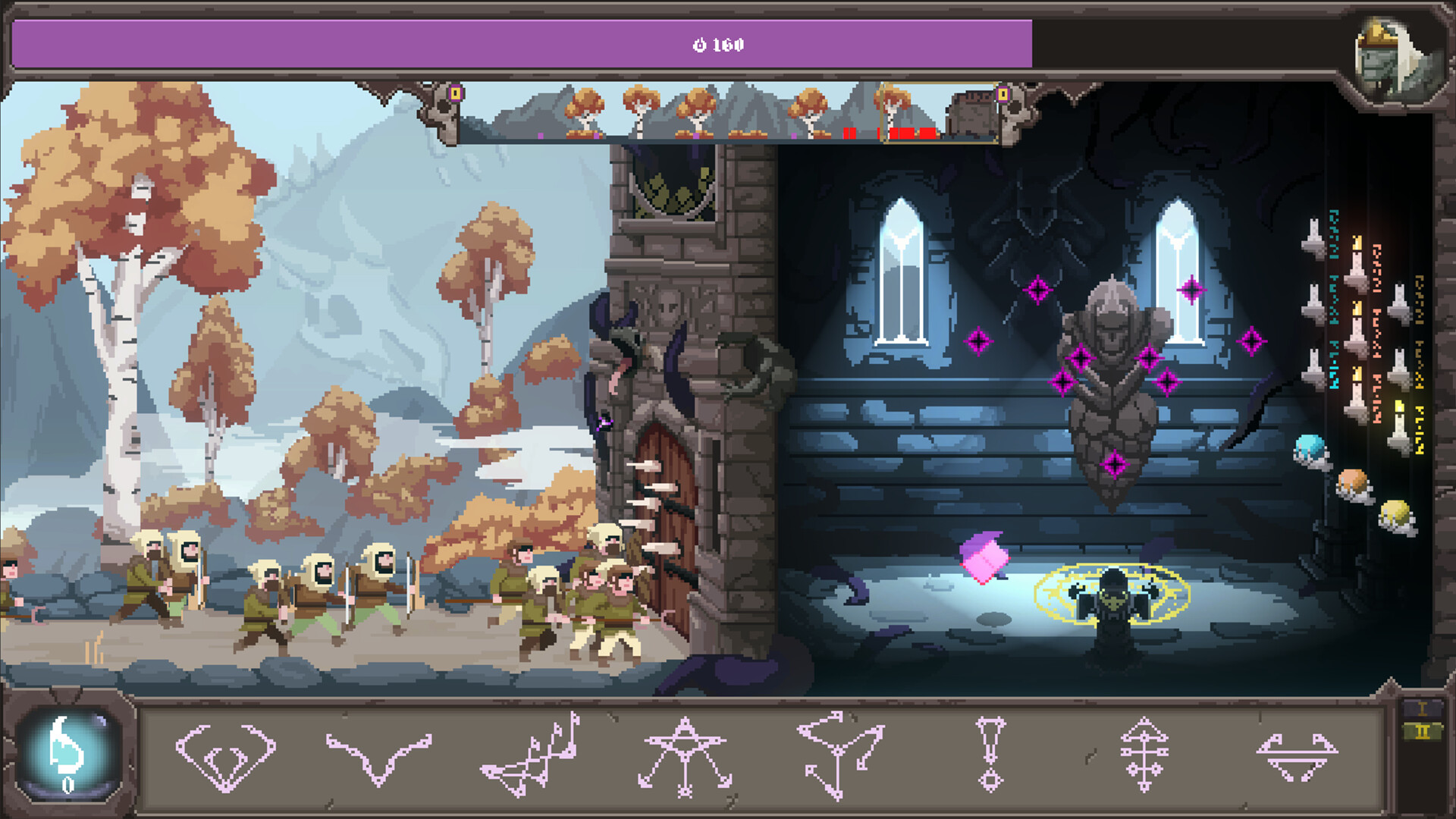
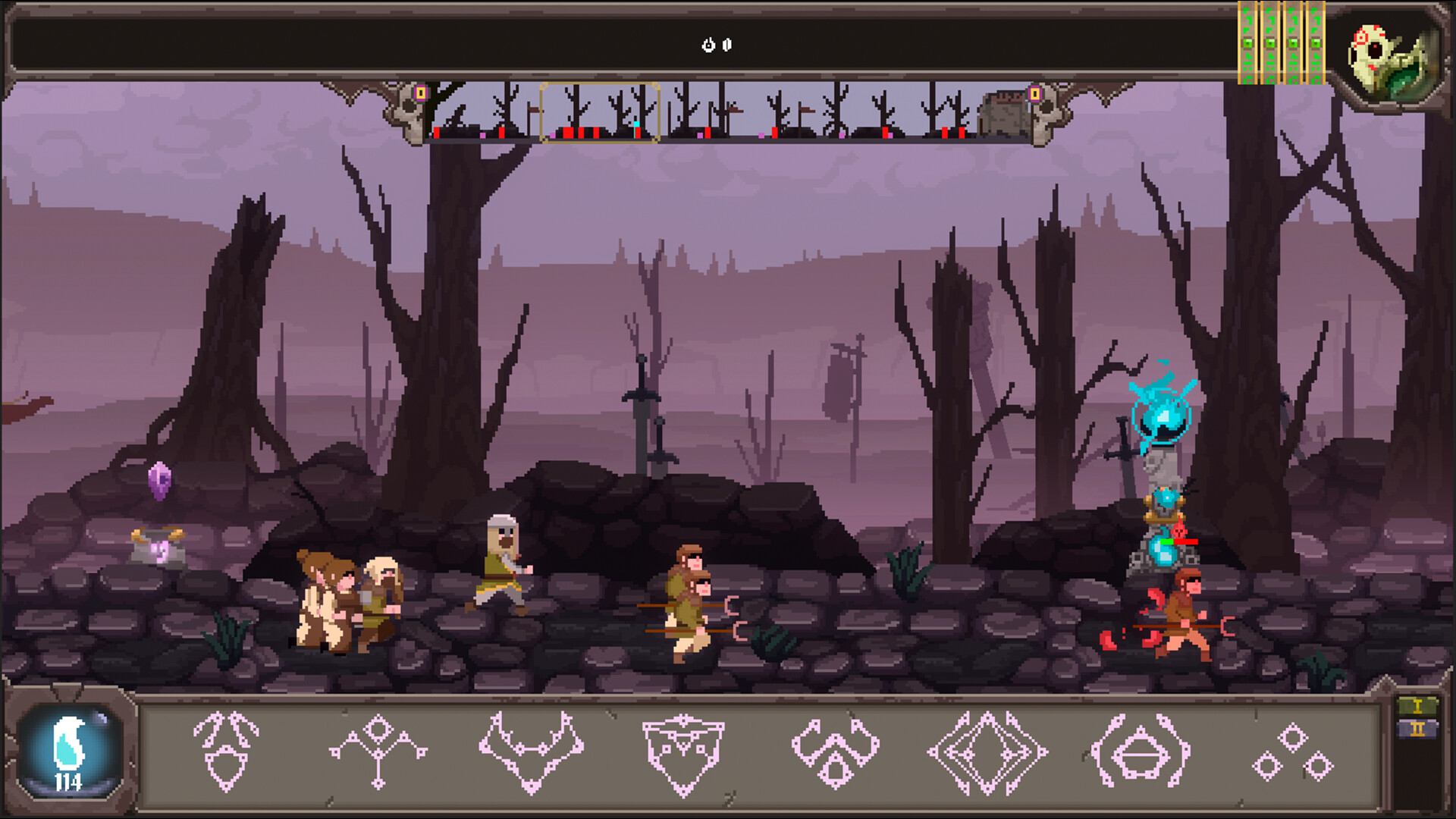
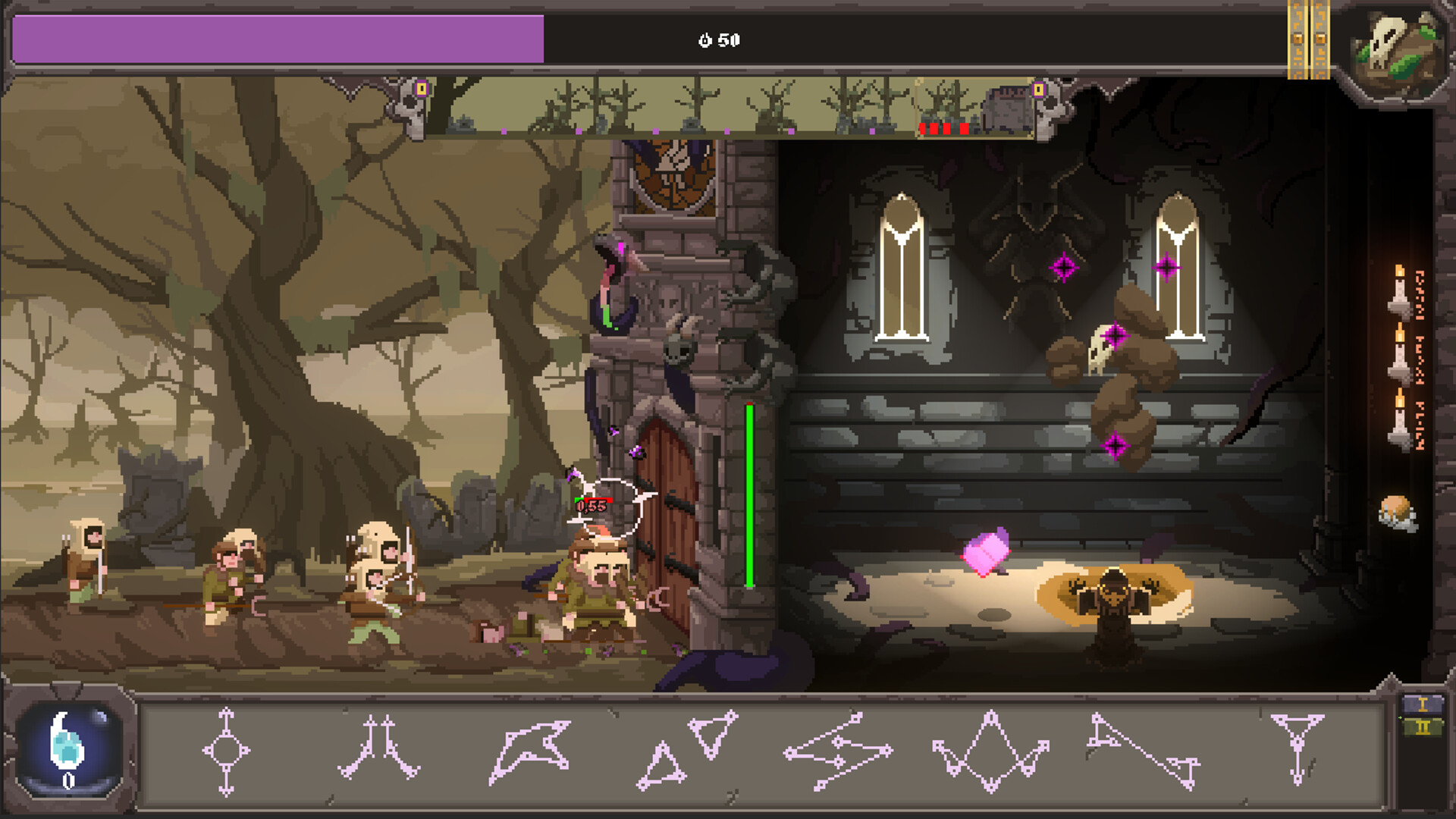
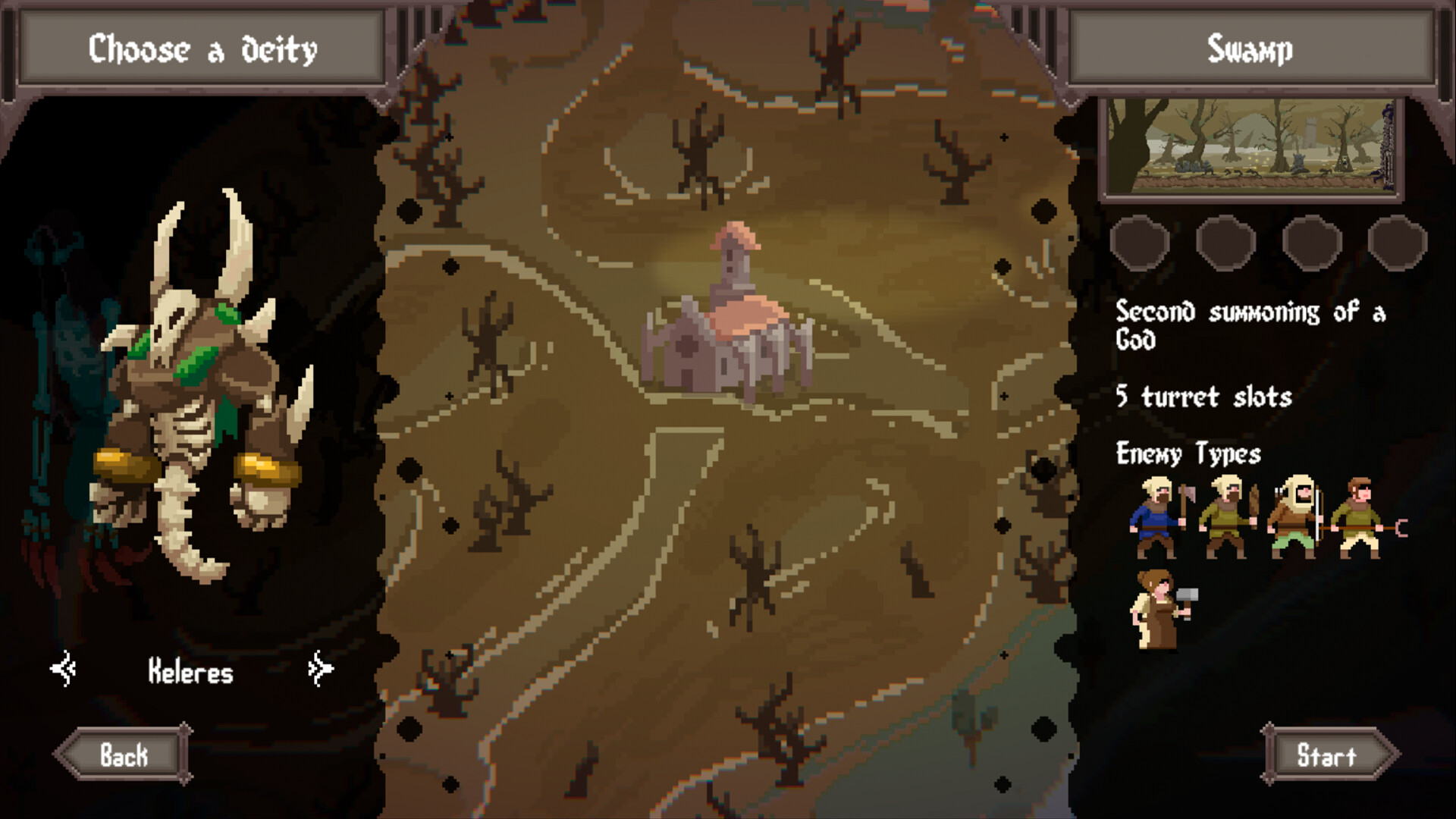
Runeomicon is a tower defense game built around ritual and rune mechanics. The player character is a sorcerer drawing runes to invoke a goddess of death. The summoning draws waves of villagers and believers determined to break the ritual before completion.
Progress comes through acquiring upgrades that enhance the rituals themselves or strengthen the fortress defenses, creating a dual-track progression loop that rewards both aggressive summoning play and patient fortification strategies.
I joined the project as a Game Designer intern at TLR Games, responsible for documentation, economy balancing, and future update planning.
What I Designed & Built
I joined Runeomicon with a clear mandate: establish the design foundation: documentation, balance systems, and a roadmap for post-launch content. Here's what I delivered in three months.
Tower defense games live or die by their economy. Too generous and the game trivialises itself; too punishing and players churn in the first wave. I used Machinations to model and automate the scoring and resource economy, making the balance testable and adjustable without having to play through each scenario manually.
- Modelled the complete resource flow: rune generation, upgrade costs, enemy wave scaling, and fortress durability, modelled as a Machinations diagram
- Automated scoring simulation across multiple difficulty levels, identifying and correcting balance breaks before they reached playtesters
- Iterated on upgrade cost curves to ensure both the ritual track and the fortress track remained viable throughout a full run
- Documented all balance parameters and their acceptable ranges so future designers could tune without breaking the underlying model
I built the project's complete documentation framework from scratch in Notion, giving the team a single source of truth they could maintain and iterate on throughout development.
- Authored the full Game Design Document (GDD), covering mechanics, enemy types, upgrade systems, and the rune-drawing interaction model
- Created design wikis for each major system, structured so engineers could implement directly from the documentation
- Built a Notion workspace with clear separation between active design, archived decisions, and future update ideas
Before planning updates, I conducted a structured market study, analysing comparable titles in the tower defense space to identify where Runeomicon could differentiate and where it needed to meet genre expectations.
- Surveyed key reference titles across the tower defense genre, documenting their core loops, monetisation strategies, and player retention mechanics
- Identified whitespace opportunities: areas where Runeomicon's rune-drawing mechanic offered a unique angle competitors hadn't explored
- Presented findings in a structured brief used to align the team on a design direction for both the base game and post-launch updates
Alongside the shipped build, I led collaborative brainstorming sessions to plan the game's post-launch roadmap, designing new mechanics that could extend the core rune-defense loop without requiring a full redesign.
- Facilitated structured brainstorming sessions with the team, generating and evaluating ideas against the game's core design pillars
- Designed several candidate update mechanics with documented rationale, scope estimates, and balance considerations
- Prioritised ideas based on development cost vs. player impact, producing a ranked update backlog the studio could act on post-launch
Screenshots & Documentation